Evaluating US Online Casino Reviews Through Regulatory and Operational Criteria
Written by Riley Brooks · Oct 12, 2026

Evaluating US Online Casino Reviews Through Regulatory and Operational Criteria
US online casino reviews examine licensed platforms operating under state-specific regulations that vary across jurisdictions where interactive gaming has received approval. Review frameworks assess operator compliance with licensing requirements from bodies such as the New Jersey Division of Gaming Enforcement and the Pennsylvania Gaming Control Board, which establish standards for game integrity, financial reporting, and player account security. Data from industry tracking indicates that by October 2026 multiple states had updated their online gaming statutes to incorporate additional verification protocols for new market entrants.
State Licensing as a Foundation for Review Assessments
Reviewers prioritize confirmation of active state licenses because these authorizations dictate the legal operation of casino sites within defined geographic boundaries. Operators must demonstrate adherence to rules covering random number generator certification, audit frequency, and segregation of player funds before receiving approval to offer real-money games. Those examining platforms cross-reference license status through official state portals to verify current standing and any enforcement actions taken in prior periods.
Compact agreements between states further influence review considerations because they enable multi-jurisdictional play under shared regulatory oversight. Platforms reviewed in 2026 frequently list participation in these compacts as a factor affecting available game libraries and deposit options for users located in participating states.
Game Selection and Fairness Testing in Review Protocols
Evaluations of game portfolios focus on the range of slots, table games, and live dealer options alongside evidence of third-party testing from accredited laboratories. Reports from testing agencies document payout percentages and confirm that outcomes remain independent across sessions. Review processes incorporate examination of software providers to determine whether titles meet volatility and return-to-player benchmarks disclosed in game rules.
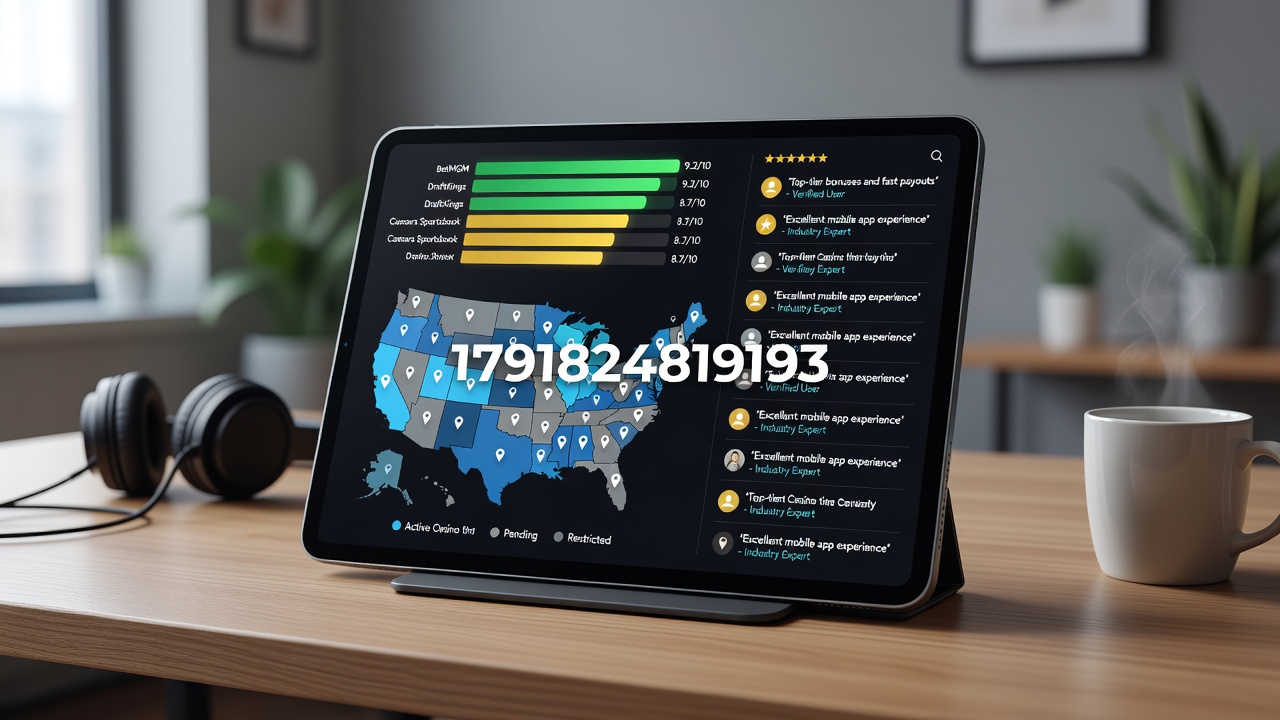
Observers note that certain states mandate quarterly submission of game performance data to regulatory agencies, which then becomes part of the public record reviewers consult during assessments. This documentation helps establish patterns in win frequency and bonus trigger rates across different game categories.
Payment Processing and Transaction Timelines
Analysis of banking methods includes evaluation of supported options such as ACH transfers, credit cards, and digital wallets alongside associated processing speeds and fee structures. Regulated platforms must comply with state-imposed rules on fund segregation and transaction logging, which reviewers verify through operator policy documents and user transaction samples. Figures released by state gaming agencies show average payout processing times ranging from one to five business days depending on the method and jurisdiction.
Reviewers also examine chargeback procedures and dispute resolution mechanisms because these elements affect user recovery of disputed amounts. Platforms operating under stricter state oversight maintain dedicated compliance teams that address transaction queries within defined response windows.
Bonus Structures and Promotional Compliance
Examination of welcome offers and ongoing promotions centers on wagering requirements, game contribution percentages, and maximum cashout limits. State regulations often require clear disclosure of terms before players can claim incentives, and reviewers verify that promotional language aligns with these mandates. Data compiled by the American Gaming Association reveals that bonus redemption rates vary significantly between states with mature online markets and those that recently authorized interactive gaming.
Terms such as playthrough multipliers and eligible game lists receive scrutiny to determine whether they create practical barriers to bonus conversion. Review documentation typically includes side-by-side comparisons of promotional structures across multiple licensed operators.
Customer Support and Accessibility Features
Support channel assessments cover live chat availability, email response intervals, and telephone access during peak hours. Licensed operators must maintain staffing levels sufficient to handle volume spikes, particularly during major sporting events or promotional periods. Accessibility reviews check for compliance with state-mandated responsible gaming tools including deposit limits, session reminders, and self-exclusion options that integrate with statewide registries.
Research from academic institutions studying digital gambling behavior indicates that platforms providing multilingual support and mobile-optimized interfaces record higher engagement metrics in states with younger user demographics.
Conclusion
US online casino reviews synthesize licensing verification, game fairness data, payment performance, promotional transparency, and support quality into structured evaluations that inform platform comparisons. As additional states authorize online gaming, review methodologies continue to incorporate new regulatory benchmarks while maintaining focus on compliance documentation issued by state agencies. These assessments rely on publicly available records and operator disclosures to present measurable criteria across jurisdictions.