Mapping Jurisdictional Variances in Progressive Prize Linkages and Their Relation to Device Compatibility Standards
Written by Kai Brooks · Sep 28, 2026
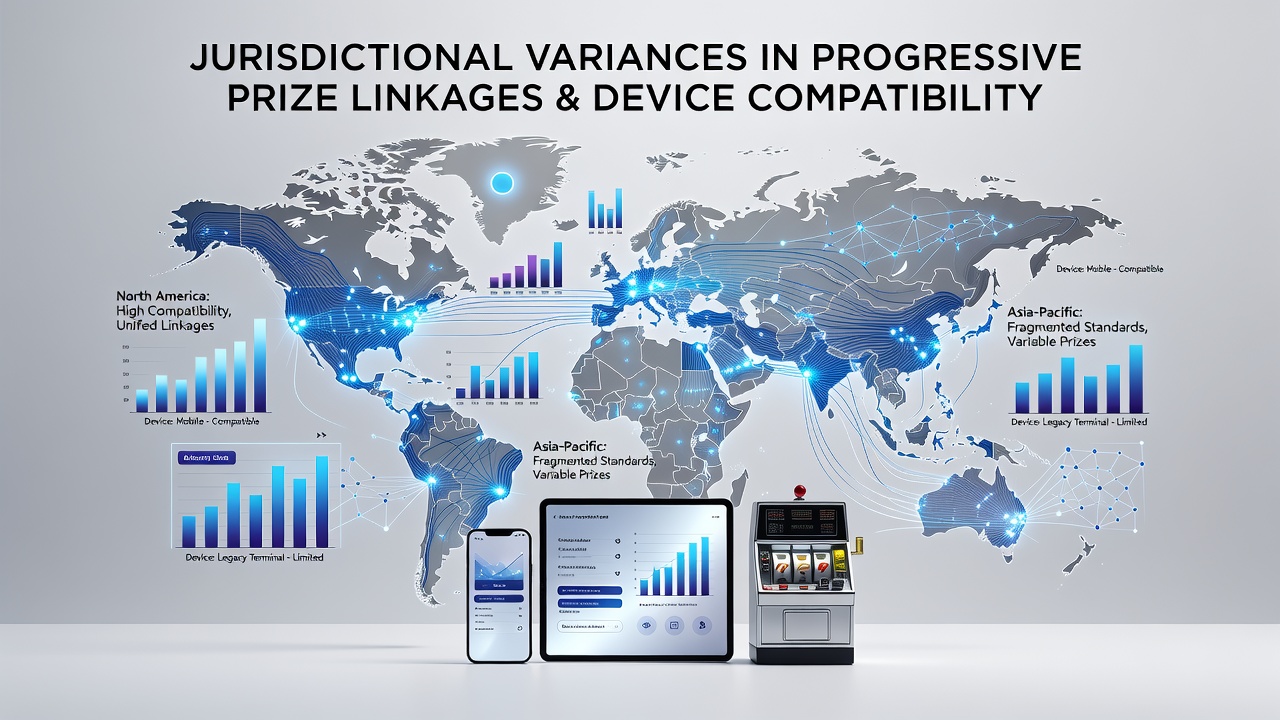
Mapping Jurisdictional Variances in Progressive Prize Linkages and Their Relation to Device Compatibility Standards
Progressive prize linkages connect slot machines and table games across casinos or entire regions so that a single jackpot grows with each wager placed on any linked device, and regulators in different jurisdictions set distinct rules for how those connections operate while device compatibility standards determine which platforms can participate in real time.
Core Mechanics of Linked Progressive Systems
Operators establish wide area progressive networks that pool contributions from multiple venues, and these networks require synchronized data feeds to update jackpot amounts instantly on every connected terminal. Jurisdictions such as Nevada and New Jersey maintain separate approval processes for the software that manages these pools, whereas Ontario and several Australian states impose additional certification layers that verify both prize calculation accuracy and cross-border data security before any linkage receives authorization.
How Regulations Shape Linkage Approval
State gaming control boards review network architecture diagrams and audit trails before granting permission for progressive linkages, and these reviews often specify maximum contribution percentages, seed amounts, and reset values that differ from one jurisdiction to the next. In September 2026 several Midwest tribal gaming commissions aligned their contribution caps with neighboring state rules, yet retained independent testing requirements that force operators to maintain parallel certification files for each market. European regulators in Malta and the Isle of Man further require that progressive meters display localized currency conversions without latency, adding another layer of compatibility testing that North American authorities have not yet adopted.
Device Compatibility Standards and Real-Time Updates
Compatibility standards define the communication protocols that allow mobile applications, desktop clients, and land-based terminals to receive identical jackpot values at the same moment, and regulators frequently mandate that any new device type undergo stress testing under peak load conditions before it joins an existing progressive pool. Mobile platforms must demonstrate consistent performance across iOS and Android operating systems while meeting encryption thresholds that prevent jackpot manipulation during transmission, and these requirements become more stringent when the progressive network spans multiple jurisdictions with differing data residency rules.
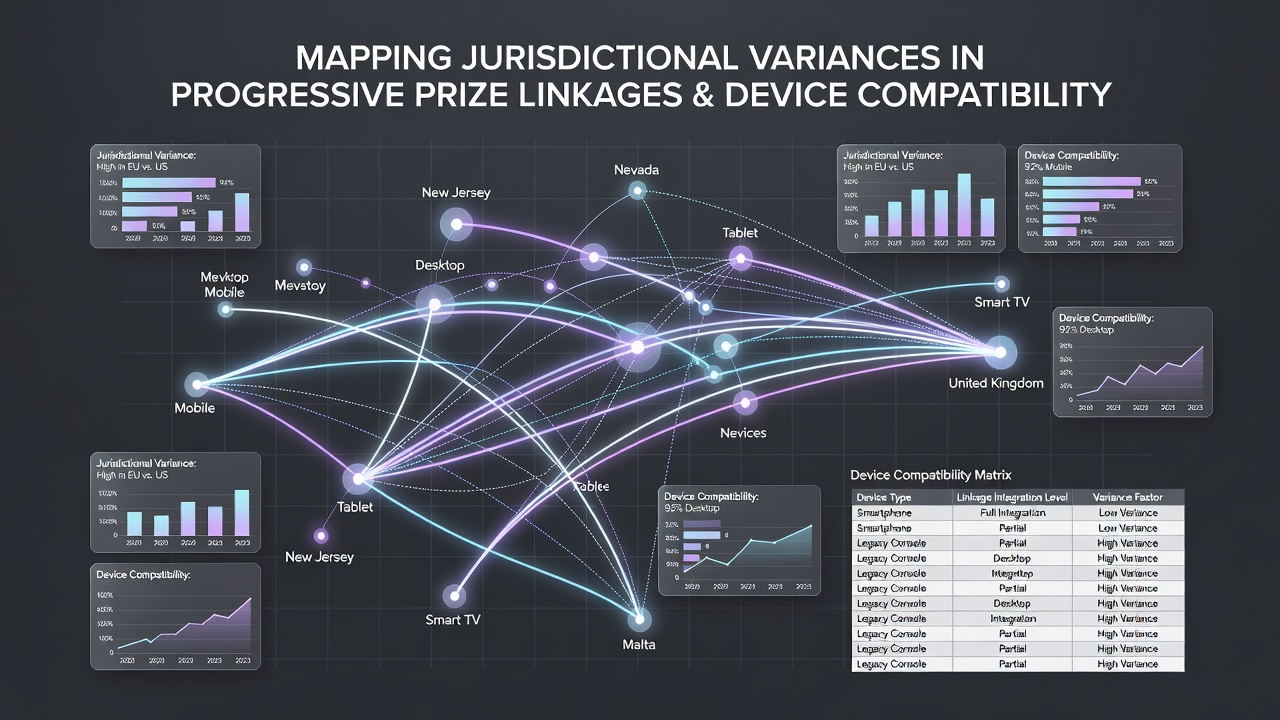
Research from the University of Nevada Reno Gaming Laboratory indicates that latency differences between wired casino floors and 5G mobile connections average 120 milliseconds in controlled trials, and jurisdictions that permit mobile participation require operators to implement buffering mechanisms that keep displayed amounts synchronized within one second regardless of connection type. Canadian provincial regulators in British Columbia have published device certification checklists that explicitly list supported screen resolutions and refresh rates for progressive displays, while New Jersey’s Division of Gaming Enforcement focuses on server-side validation that confirms every wager contribution reaches the central meter before the next spin occurs.
Cross-Jurisdictional Data Flow Challenges
Operators that link progressives across state lines must satisfy each jurisdiction’s data retention and audit access rules simultaneously, and these overlapping obligations often necessitate segmented database architectures that isolate player information according to the location where the wager originated. Figures released by iGaming Ontario show that progressive networks operating under multi-jurisdictional agreements processed over 4.2 billion individual contributions in the first half of 2026, and the regulatory filings reveal that device certification delays accounted for 17 percent of all project timeline extensions during that period. Australian state authorities require that progressive meters remain visible on approved devices even when players cross state borders, creating additional geofencing and compliance checks that North American markets have not yet standardized.
Emerging Technical Requirements
Device manufacturers now integrate application programming interfaces that allow progressive meters to update through encrypted WebSocket connections rather than periodic polling, and regulators in several jurisdictions have begun requiring these APIs to undergo independent penetration testing before deployment. The National Association of Gaming Equipment Manufacturers released updated interface guidelines in mid-2026 that address both hardware tokenization and software attestation methods, and operators report that adopting these guidelines reduces certification review times by an average of three weeks across multiple regulatory bodies. Jurisdictions continue to evaluate whether cloud-based meter hosting meets sovereignty requirements, and early pilot programs in two European markets have produced measurable reductions in update latency without compromising audit trail integrity.
Conclusion
Jurisdictional variances in progressive prize linkages create distinct technical and procedural hurdles that directly influence the device compatibility standards operators must satisfy before launching synchronized jackpot networks. Regulatory bodies in North America, Europe, and Australia each enforce unique certification sequences that shape how mobile and desktop platforms integrate with central prize pools, and ongoing alignment efforts among tribal and state commissions continue to refine the technical specifications that govern real-time data exchange. Operators that map these differences early maintain broader market access while meeting the evolving security and synchronization benchmarks required by each jurisdiction.