Regional Compact Shifts Redefine Multi-Player Tournament Structures in Licensed Portable Wagering Platforms
Written by Kai Simmons · Sep 14, 2026
Regional Compact Shifts Redefine Multi-Player Tournament Structures in Licensed Portable Wagering Platforms
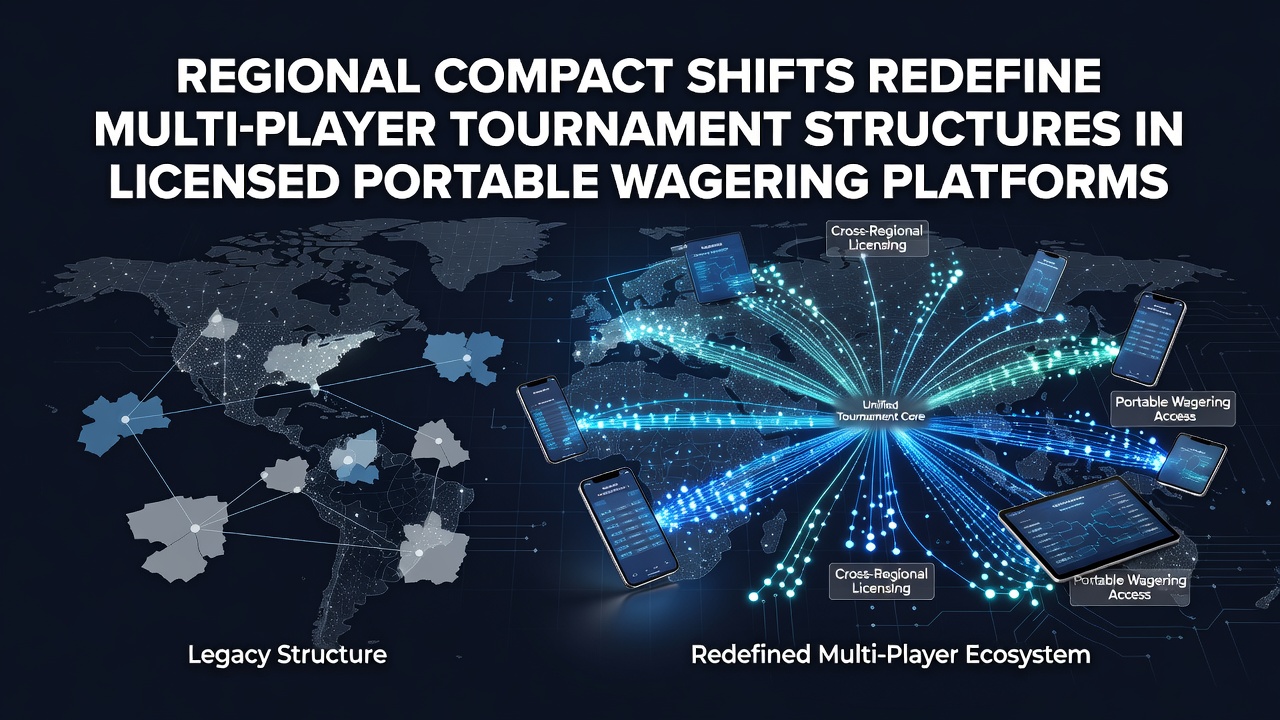
Regional gaming compacts have undergone notable adjustments in several U.S. jurisdictions since early 2025, and these modifications now reshape how licensed operators structure multi-player tournaments on portable wagering platforms. States and tribal nations have revised agreements to address cross-border player eligibility, prize pool allocations, and real-time matching protocols, which in turn influence the technical architecture of mobile applications designed for licensed interactive gaming. Data from the National Conference of State Legislatures shows that at least seven new or amended compacts took effect between January and September 2026, each incorporating clauses that directly govern tournament formats available to users on smartphones and tablets.
Compact Revisions and Player Pool Expansions
Traditional single-state tournament pools have given way to multi-jurisdictional participant groups under the updated compacts, and this expansion alters both the scale of events and the algorithms used to seed competitors. Michigan and Ohio, for instance, finalized an interstate agreement in March 2026 that permits residents of either state to join shared daily and weekly tournaments on platforms licensed in both markets, while operators must maintain separate ledgers for tax reporting and player fund segregation. Researchers at the University of Nevada, Reno documented how such pooling increases average field sizes by 40 percent in the first quarter after implementation, which requires platforms to adjust matchmaking latency thresholds to keep sessions under 250 milliseconds for users on 5G networks.
Technical Adjustments in Licensed Mobile Systems
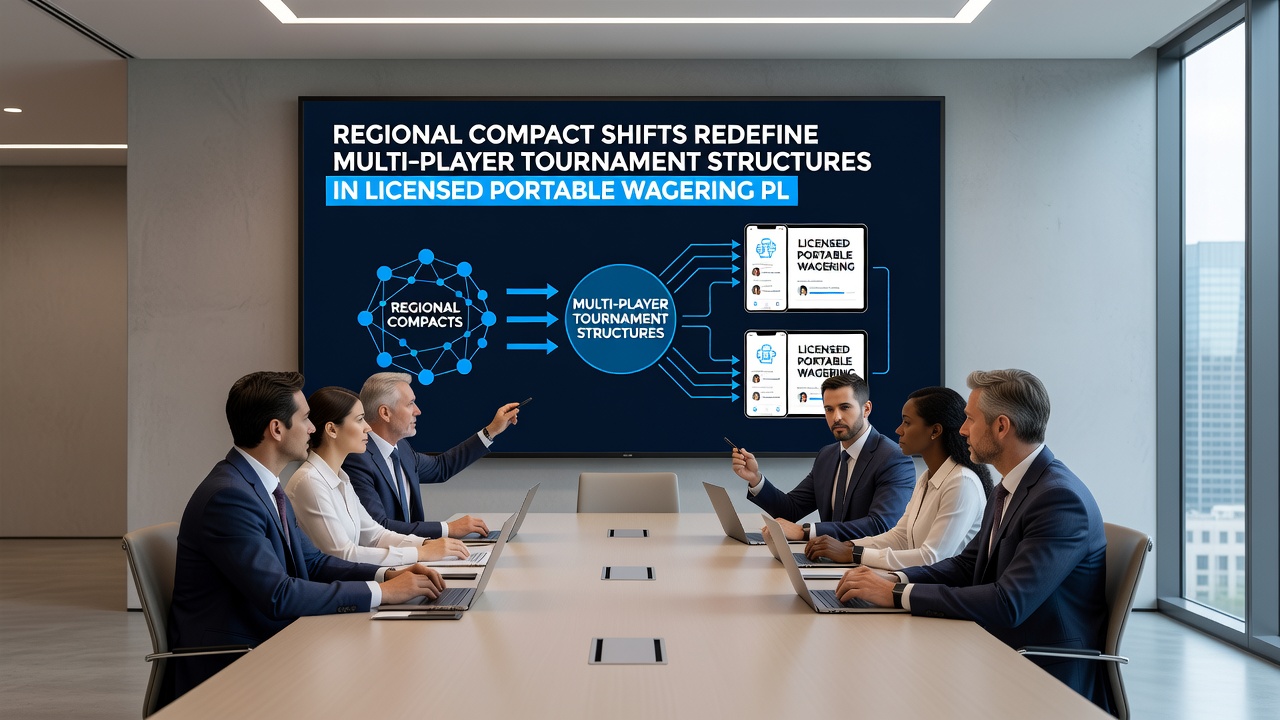
Platform developers have responded by integrating geo-fencing modules that verify compact compliance in real time, and these modules now interface directly with tournament servers to restrict or allow entry based on the user's physical location and the specific terms of the governing compact. In September 2026 several operators reported deploying updated APIs that synchronize state-specific rulesets before each tournament round begins, which reduces instances of ineligible player participation that previously triggered compliance reviews. Those who've examined the code changes note that reward trigger conditions, such as bonus multipliers or leaderboard resets, now reference the compact-defined player pool rather than a single-state database, resulting in more frequent but smaller incremental payouts within larger events.
Effects on Prize Structures and Latency Management
Prize distribution models have shifted from fixed-percentage splits to dynamic formulas that account for the proportional contribution of each participating jurisdiction, and this approach aligns with compact language requiring equitable revenue sharing among regulatory bodies. Observers at industry conferences in mid-2026 highlighted how operators in New Jersey and Pennsylvania adjusted their mobile table game tournaments to reflect these formulas, leading to hybrid events where players from both states compete yet receive jurisdiction-specific tax withholdings processed automatically at payout. Network latency studies conducted by independent labs indicate that the added verification layer increases average connection time by 12 milliseconds, yet operators have mitigated this through edge-server caching that stores compact rule sets locally on user devices during active sessions.
Regulatory Oversight and Compliance Reporting
State gaming commissions have introduced standardized reporting templates that capture tournament participation metrics broken down by compact jurisdiction, and these reports must be filed within 48 hours of event completion under the revised agreements. Figures released by the Illinois Gaming Board for the period covering April through August 2026 reveal a 27 percent rise in multi-state tournament entries compared with the same months in 2025, accompanied by a corresponding increase in audit queries regarding player location data integrity. Licensed portable platforms now embed audit trails that timestamp each compact rule check, allowing regulators to reconstruct any disputed outcome without requiring full server log exports.
Future Compact Negotiations and Platform Adaptations
Negotiations underway in the western United States as of September 2026 focus on incorporating tribal gaming enterprises into existing interstate frameworks, and preliminary drafts suggest provisions for shared mobile tournament licensing that would extend to additional tribal lands. Platform providers have begun testing modular tournament engines that can load new compact parameters without requiring full application updates, which supports rapid compliance when agreements are ratified. Those monitoring these developments point to similar patterns observed in earlier compact expansions, where initial technical friction gave way to standardized interfaces once operators aligned on common data exchange formats.
Conclusion
Regional compact shifts continue to drive structural changes in multi-player tournament offerings across licensed portable wagering platforms, with measurable impacts on player pools, technical infrastructure, and regulatory reporting requirements. As additional jurisdictions finalize agreements through late 2026, operators and regulators alike face ongoing adjustments to maintain both competitive integrity and compliance across expanding geographic boundaries.