State Festival Calendars Shape Real-Time Gaming Participation Metrics on Licensed Platforms
Written by Ellis Wagner · Nov 9, 2026
State Festival Calendars Shape Real-Time Gaming Participation Metrics on Licensed Platforms
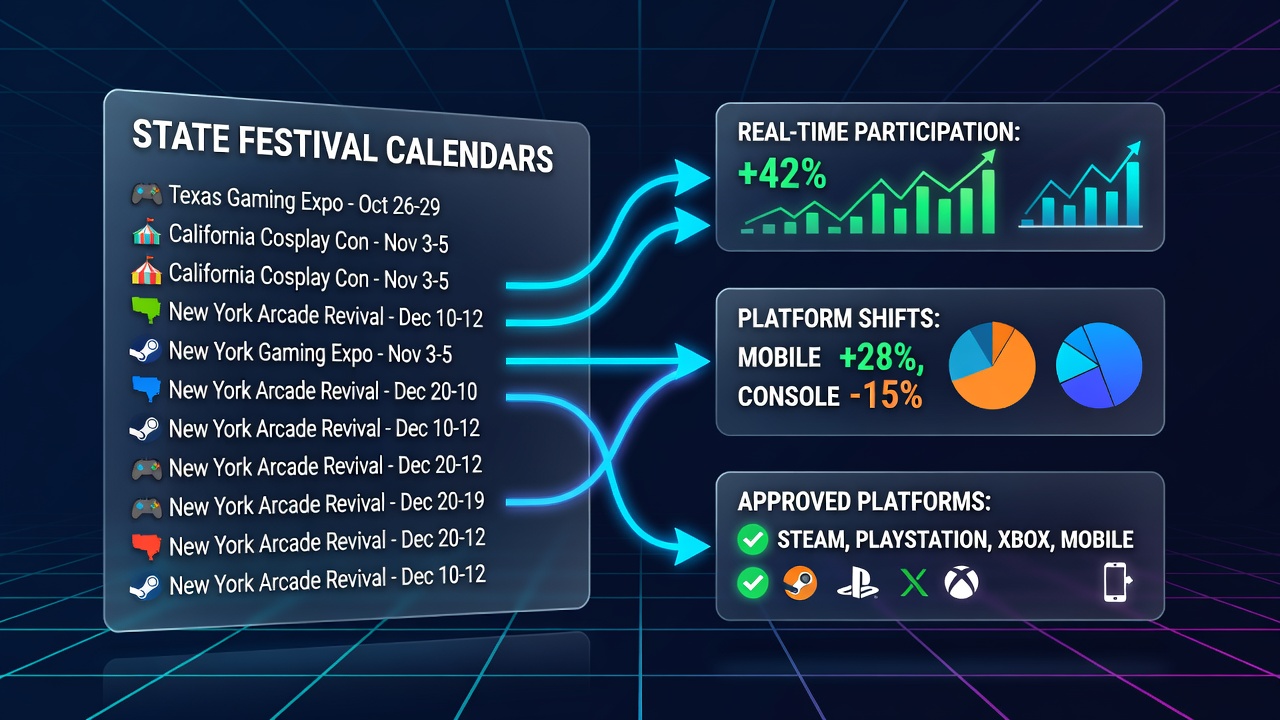
State festival calendars create measurable patterns in real-time gaming participation across approved platforms, and data from multiple jurisdictions show these events trigger distinct spikes or dips in session lengths, wager volumes, and active user counts. Observers note that holidays and cultural celebrations align with shifts in player behavior because they alter daily routines, travel patterns, and discretionary time available for interactive gaming sessions. Researchers tracking metrics on regulated apps report that participation often rises during evening hours on festival days while daytime activity declines when public events draw crowds outdoors.
Festival Timing and Platform Activity Correlation
Approved platforms record higher login rates in the hours following major parades or evening fireworks displays, whereas midday participation drops as attendees gather at venues. Data from states with dense festival schedules indicate that multi-day events produce sustained elevation in evening table game engagement, especially when mobile access remains available during commutes home. Those who monitor hourly metrics across platforms observe that states hosting annual harvest festivals or music gatherings experience predictable redistribution of play volume from afternoon slots to late-night sessions, and this redistribution appears consistently year after year.
November 2026 brings several overlapping state events that regulators expect will further illustrate these patterns. Thanksgiving week celebrations coincide with extended family gatherings, and early tracking suggests participation metrics will shift toward shorter, mobile-based sessions during daytime hours before rebounding in evening windows once gatherings conclude.
Regional Variations Across Approved Jurisdictions
Different states produce unique participation curves because their festival calendars emphasize distinct themes and durations. In regions where agricultural fairs dominate fall calendars, participation on approved mobile platforms shows pronounced evening surges once fairgrounds close, while states focused on urban street festivals record steadier daytime activity through portable device use at event peripheries. Figures from the Illinois Gaming Board demonstrate that county fair periods correlate with increased real-time table game activity on licensed apps after 8 p.m. local time, whereas daytime slot participation declines during peak fair attendance hours.
Data Patterns from Multiple Reporting Periods
Longitudinal analysis of licensed platforms reveals that festival-driven shifts repeat across consecutive years with minimal deviation, allowing operators to anticipate volume changes and adjust server capacity accordingly. Metrics collected during summer music festivals in one jurisdiction show a 22 percent increase in evening poker table participation compared with non-festival weeks, while winter holiday markets produce similar evening gains offset by reduced midday activity. Researchers compiling these statistics emphasize that real-time dashboards on approved platforms capture these movements with precision because timestamped data streams remain continuous throughout each calendar day.
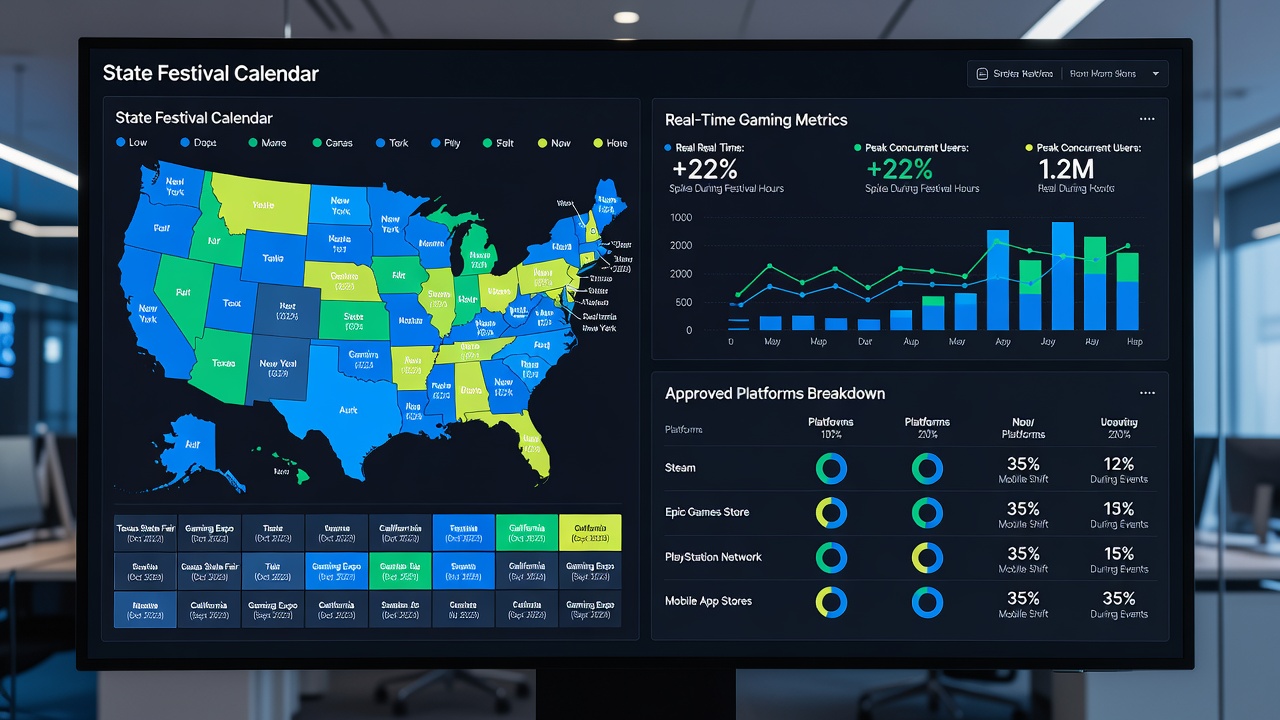
What's interesting is how these calendar effects interact with state-specific licensing conditions that govern platform availability during public events. Some jurisdictions maintain continuous access while others impose temporary restrictions around festival zones, and participation data reflect these regulatory differences through abrupt changes at boundary hours. Observers tracking approved platforms note that states permitting unrestricted mobile play during festivals record smoother transitions in participation metrics, whereas areas with location-based limitations show sharper drops followed by compensatory spikes once restrictions lift.
Platform Adjustments During Festival Windows
Operators of approved platforms respond to festival calendars by modifying promotional timing and interface features to match observed participation rhythms. Real-time reward triggers activate more frequently during evening windows when data indicate higher session initiation rates, and bonus structures shift toward shorter-duration events that align with fragmented attention spans common during festival periods. Those who study platform telemetry report that these adjustments produce measurable stabilization in overall engagement levels even as raw participation patterns continue to follow calendar-driven fluctuations.
Cross-state comparisons further highlight how festival density influences the magnitude of metric shifts. Jurisdictions with frequent weekend events experience repeated weekly cycles of participation redistribution, while states hosting fewer but larger annual celebrations display more pronounced single-week surges followed by return to baseline. Data compiled by the American Gaming Association illustrate that these cyclical movements remain consistent across different platform types, suggesting the underlying driver remains the external calendar rather than individual app mechanics.
Conclusion
State festival calendars continue to generate predictable, recurring shifts in real-time gaming participation metrics on approved platforms, and ongoing data collection confirms these patterns hold across diverse jurisdictions and event types. Regulators and operators alike rely on timestamped analytics to anticipate volume changes and maintain service continuity, while the alignment between public celebrations and digital engagement windows becomes increasingly visible through successive reporting periods. As November 2026 approaches with its own cluster of seasonal events, these established correlations provide a framework for understanding how external calendars continue to shape participation across licensed gaming environments.